How to Properly Serve Sparkling Wine for Maximum Effervescence
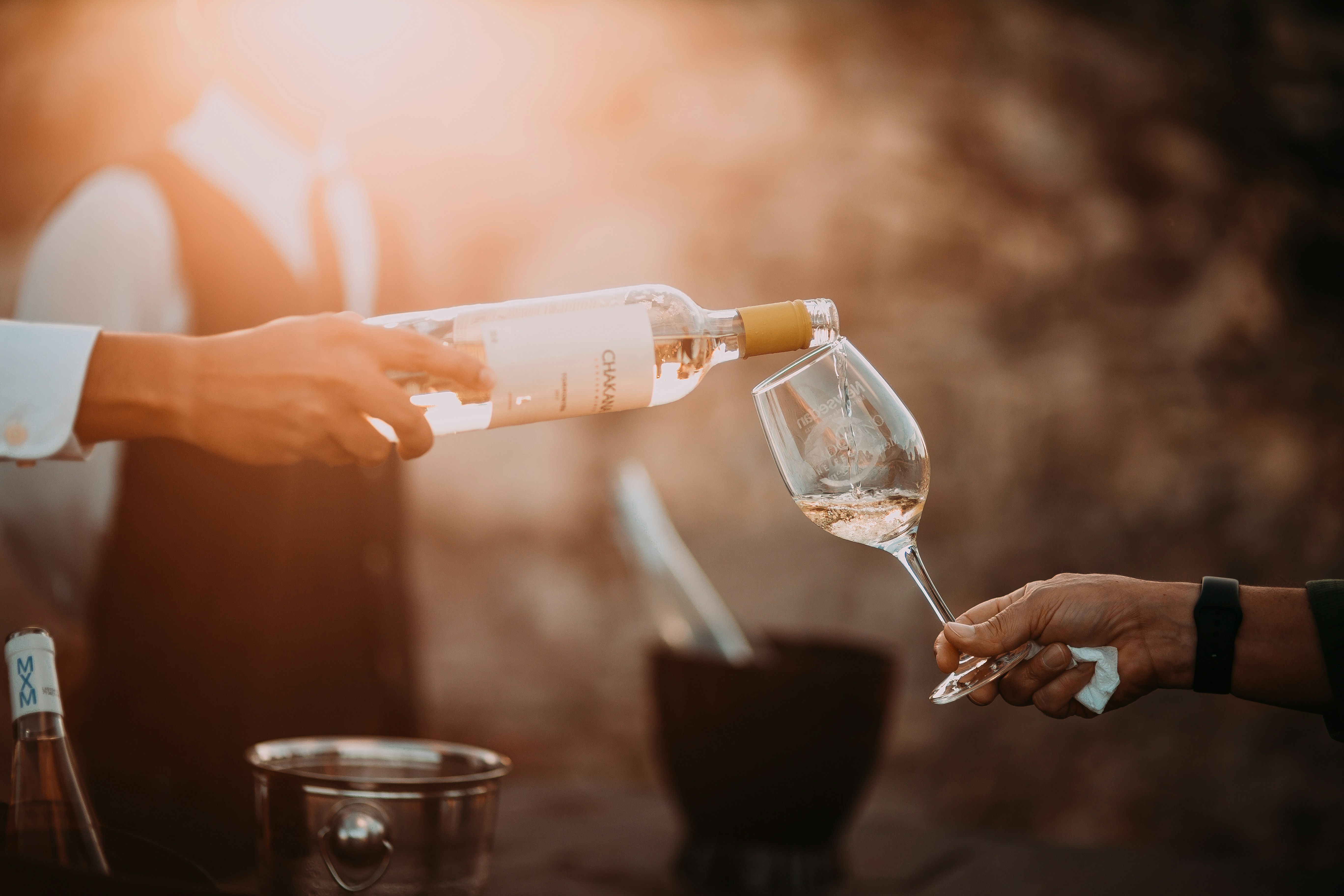
Sparkling wine is one of the most delightful beverages, often associated with celebration and special moments. However, part of what makes it so enjoyable is the effervescence—the fizz that tingles on the palate and lifts the aromas. To truly appreciate sparkling wine, it’s important to serve it in a way that preserves and enhances its bubbles. Many people are unaware of the small but significant factors that can influence how long the bubbles last and how they impact the overall drinking experience. In this article, we will explore the essential steps and techniques to serve sparkling wine correctly, ensuring you get the most out of every bottle.
Choosing the Right Glassware
The glassware you choose for serving sparkling wine is more important than many people realise. While any glass might seem sufficient for a casual drink, specific glass types can greatly enhance your experience by preserving the wine’s bubbles and highlighting its aromas. By choosing the correct glass, you not only maintain the effervescence but also elevate the overall tasting experience.
The Importance of Glass Shape for Sparkling Wine
The shape of a glass directly influences how sparkling wine behaves, particularly its effervescence. Sparkling wine is distinct for its bubbles, and these bubbles are a result of carbon dioxide being released from the wine. The right glass shape will encourage a steady stream of bubbles to rise to the surface, which not only enhances the visual appeal but also improves the aromatic release. Whether you plan to buy sparkling wine for a special occasion or enjoy it casually, the glass should allow you to appreciate the full sensory experience of the wine—the sight of the bubbles, the aromas they carry, and the feel of the fizz on your palate.
Recent studies have found that glass type can significantly impact bubble retention, with champagne flutes enhancing bubble longevity by minimising surface area. The bubbles in a typical flute can number up to a million, slowly releasing carbon dioxide to create a longer-lasting fizz compared to wider glasses.
The Flute: A Popular Classic
The flute is the traditional choice for serving sparkling wine, and for good reason. Its tall, narrow shape helps concentrate the bubbles, allowing them to rise slowly and steadily. This prolongs the life of the bubbles in your glass, giving you more time to enjoy the effervescence. The narrow opening also concentrates the wine’s aromas, directing them towards your nose as you sip, enhancing the overall tasting experience. Many flutes feature an etched point at the base of the bowl, known as a "nucleation point," which encourages bubbles to form and rise consistently.
While the flute is widely regarded as the go-to glass for sparkling wine, some critics argue that its narrow shape may limit the development of more complex aromas, particularly in premium or vintage sparkling wines. Nevertheless, for most casual drinkers and for standard sparkling wines, the flute remains a fantastic option.
The Tulip Glass: A Modern Favourite
The tulip glass has gained popularity as an alternative to the flute, offering a more versatile option for appreciating sparkling wines, especially those with more complex flavours. The tulip glass features a wider bowl that allows the wine to aerate more effectively, similar to how a red wine glass works. However, its narrow top helps retain the bubbles, ensuring that you don’t lose the fizz too quickly. This shape strikes a balance between preserving the effervescence and allowing the wine’s aromas to develop fully.
Tulip glasses are particularly favoured when drinking higher-quality sparkling wines, such as vintage Champagne, which benefit from more exposure to air to unlock their deeper, more nuanced flavours. The slightly wider bowl also enhances the visual appeal of the wine, as you can see the bubbles rising more clearly.
Avoiding the Coupe Glass
Though coupe glasses are often associated with glamour and tradition—famously used in the 1920s—they are not ideal for sparkling wine. The coupe’s wide, shallow bowl allows carbonation to escape quickly, meaning the wine can go flat much faster than it would in a flute or tulip glass. The large surface area also means that the bubbles dissipate more rapidly, and the wine’s delicate aromas are not as concentrated. While the coupe glass can be an elegant choice for certain cocktails, it’s best avoided for sparkling wine if you want to preserve its effervescence.
Practical Tips for Glassware Selection
When choosing glassware for sparkling wine, it’s worth considering both the occasion and the type of sparkling wine you are serving. For a casual toast or celebration with non-vintage sparkling wine, a classic flute will serve you well, keeping the bubbles lively and enhancing the wine’s light, fresh aromas. However, if you’re indulging in a more complex bottle, such as a vintage Champagne or an English sparkling wine with extended ageing, a tulip glass may offer a superior tasting experience by allowing the wine to open up more fully.
Additionally, consider the quality of the glass itself. Crystal glassware, for example, can provide a clearer, more elegant presentation of the bubbles and aromas. While it might not seem like a significant factor, the clarity and fineness of the glass can subtly enhance the visual and sensory experience, making your sparkling wine even more enjoyable.
Correct Pouring Techniques for Preserving Bubbles
Pouring sparkling wine may seem simple, but using the correct technique can make a noticeable difference in maintaining the effervescence and enhancing the overall drinking experience. Sparkling wine’s carbonation is fragile and can easily be lost if poured too aggressively or inappropriately. To ensure that the bubbles remain lively and that the wine’s delicate flavours are not compromised, it’s essential to follow a few specific techniques when serving.
The Science Behind Pouring
When sparkling wine is poured into a glass, the agitation can cause the rapid release of carbon dioxide, which leads to an excessive amount of foam or froth. This not only wastes bubbles but can also diminish the wine's taste, as too much carbonation escapes too quickly. Therefore, the goal when pouring is to minimise agitation while still allowing the bubbles to rise gracefully in the glass.
Studies show that when 100 millilitres of sparkling wine is poured directly into a vertical flute, around one million bubbles are released, but a gentler pour at an angle can increase this number by tens of thousands. This technique helps retain more bubbles, enhancing the texture and prolonging the enjoyment of the wine.
The Tilt and Pour Method
The best way to minimise frothing and maintain carbonation is to tilt the glass at a 45-degree angle while slowly pouring the wine. This technique reduces the impact of the wine on the bottom of the glass, helping to preserve the bubbles. As the glass begins to fill, you can gradually straighten it to maintain an even pour without causing a surge of bubbles at the top.
This method is particularly important for sparkling wines that are highly carbonated, such as Champagne. By reducing the amount of turbulence, you’ll keep more of the wine’s natural fizz and aroma intact, ensuring that the full flavour profile can be enjoyed.
Pouring in Stages
Another effective technique to preserve the effervescence is to pour the wine in stages rather than all at once. Begin by pouring a small amount, then allow the bubbles to settle before continuing. This prevents the wine from overflowing and ensures that the bubbles are more evenly distributed throughout the glass. It also gives you better control over the foam, preventing it from spilling over the rim of the glass and reducing wastage.
Avoid Pouring Too Quickly
Pouring too quickly not only leads to excessive foaming but can also cause the bubbles to disappear faster. When sparkling wine is poured hastily, the carbon dioxide is forced out of the liquid more rapidly, leading to a flatter drink. A slow, controlled pour gives the wine time to release its bubbles gently and ensures that the drink remains sparkling throughout your experience.
Temperature and Pouring Technique
The temperature of the sparkling wine also affects how it behaves when poured. A colder bottle will release bubbles slower than one that is too warm. It’s important to make sure the bottle is chilled to the ideal temperature (around 6-8 degrees Celsius) before pouring. This not only helps maintain the wine’s carbonation but also enhances its overall taste and aroma. Pouring a warm bottle can cause excessive foaming, making it harder to retain the bubbles and resulting in a less enjoyable drink.
The Gentle Touch
For special occasions or when serving more premium sparkling wines, consider taking extra care when opening the bottle. After removing the cork, allow the wine to settle for a moment before pouring, especially if it has been agitated during transport or storage. This ensures that the carbonation remains balanced, providing a smoother, more refined drinking experience. Additionally, try to hold the bottle with a steady hand, avoiding any sharp or jerky movements, which can disturb the bubbles and lead to an overly foamy pour.
Ideal Serving Temperature for Maximum Effervescence
Temperature plays a crucial role in how sparkling wine behaves, especially in terms of its bubbles. Serving the wine too warm or too cold can dramatically affect both its taste and the longevity of its effervescence. Getting the temperature just right will help you enjoy the wine at its best, with lively bubbles and the full expression of its flavours and aromas.
Serve Chilled, But Not Too Cold
Sparkling wine should be served chilled, typically between 6 and 8 degrees Celsius. At this temperature, the wine retains its fizz while allowing its delicate aromas and flavours to emerge. Studies have shown that serving sparkling wine colder than 5°C can mute its flavours and suppress the bubbles, reducing the overall drinking experience. On the other hand, if served too warm, the bubbles dissipate quickly, and the wine can become overly foamy, losing its signature effervescence.
Avoid Over-Chilling
Over-chilling sparkling wine can cause it to lose some of its fizz and character. When the wine is too cold, the carbon dioxide remains more dissolved in the liquid, meaning fewer bubbles are released when poured. Additionally, the wine’s aromas and taste become less noticeable, leading to a flatter, less enjoyable experience. This is why it’s important to store sparkling wine in the fridge for the right amount of time, rather than leaving it in there for extended periods.
The Role of an Ice Bucket
To maintain the perfect temperature while serving, an ice bucket can be a helpful tool. A mixture of ice and water will keep the bottle at the ideal serving temperature without making it too cold. It also allows for a stylish presentation at the table, ensuring that the wine stays chilled throughout the course of the evening.
Storing Sparkling Wine to Preserve Bubbles
Proper storage is essential for preserving the effervescence of sparkling wine, both before and after opening. While many people focus on how to serve the wine, few realise that storage conditions can significantly impact the quality and longevity of the bubbles. By following a few simple guidelines, you can ensure your sparkling wine stays as fresh and bubbly as possible.
Store Bottles Horizontally Before Opening
As with still wine, sparkling wine bottles should be stored horizontally in a cool, dark place. This position helps to keep the cork moist, which is important for maintaining a tight seal and preventing air from entering the bottle. A dry cork can shrink, allowing carbon dioxide to escape, leading to flat wine. Ideally, sparkling wine should be stored at a consistent temperature of around 10 to 12 degrees Celsius, away from light and heat.
Use a Champagne Stopper After Opening
Once a bottle of sparkling wine has been opened, it will inevitably begin to lose its bubbles. However, using a specialised Champagne stopper can help prolong its effervescence for an extra day or two. These stoppers are designed to clamp securely onto the bottle, preserving the remaining carbonation by preventing air from entering.
Avoid Regular Corks or Plastic Wrap
Many people attempt to reseal an opened bottle of sparkling wine with a regular cork or even plastic wrap, but these methods are ineffective at preserving the bubbles. A regular cork doesn’t provide the airtight seal necessary to trap carbon dioxide, while plastic wrap offers little to no protection. The best way to maintain the wine’s fizz is to use a proper sparkling wine stopper.
Refrigerate Open Bottles
Once opened, sparkling wine should be stored in the fridge to slow the loss of carbonation. The cooler temperature helps to retain the bubbles for longer. However, even with a Champagne stopper and refrigeration, it’s best to consume the wine within 1-2 days for the freshest taste and optimal fizz.
Keeping Your Sparkling Wine Bubbly and Enjoyable
Properly serving and storing sparkling wine can make all the difference in preserving its signature effervescence and ensuring a more enjoyable drinking experience. From selecting the right glassware to mastering the pouring technique, every small detail helps to maintain the bubbles and enhance the wine’s aromas and flavours. Serving sparkling wine at the correct temperature allows its complexity to shine, while thoughtful storage—both before and after opening—ensures that it remains fresh and fizzy.
As with any wine, it's important to enjoy it responsibly. While excessive alcohol intake is detrimental, moderate wine consumption can be part of a heart-healthy lifestyle, making it possible to enjoy your sparkling wine as both a treat and a mindful choice. By following these simple but effective tips, you’ll be able to savour every sip with maximum enjoyment, whether you’re celebrating a special occasion or simply enjoying a glass at home.
